







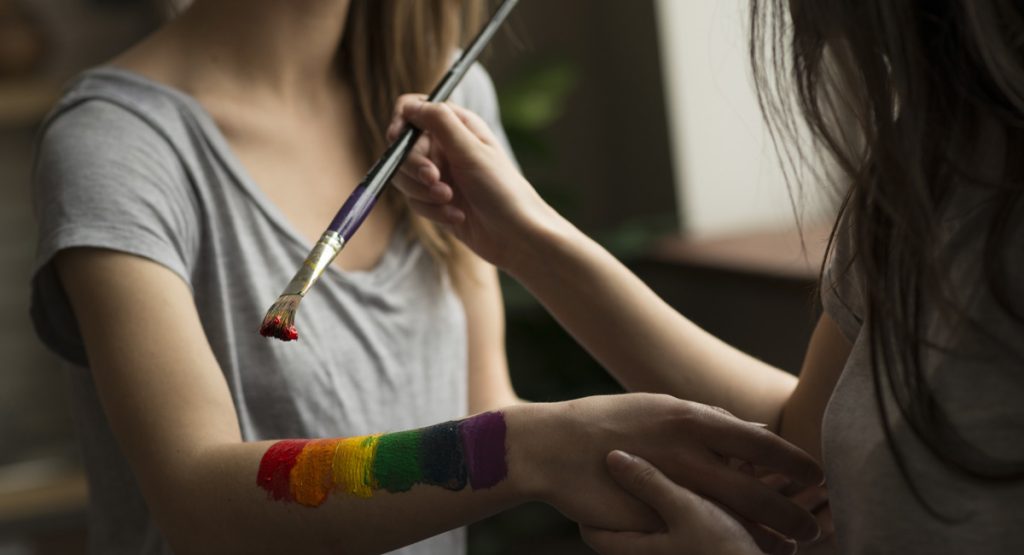
Art therapy is a unique and innovative approach that utilizes the power of creativity to promote emotional healing, self-discovery, and overall well-being. In this therapeutic modality, individuals use various art forms such as painting, drawing, sculpture, and collage to explore their thoughts, emotions, and experiences. The process of creating art, guided by a trained art therapist, provides a safe and nonverbal outlet for communication, allowing individuals to delve into their inner worlds and gain insights into their feelings and struggles.
Beyond its aesthetic value, art therapy has gained recognition as an effective method for addressing various psychological and emotional challenges. By tapping into the innovative process, individuals can access parts of themselves that might be difficult to express verbally. As such, art therapy holds the potential to enhance self-awareness, boost self-esteem, alleviate stress, manage trauma, and improve overall mental health.
Art therapy is a form of expressive therapy involving various art mediums and creative processes to promote emotional healing, self-discovery, and overall well-being. It is often used as a complementary treatment alongside traditional psychotherapy and counseling, particularly for individuals with emotional, psychological, or behavioral challenges.
Here are some ways in which art therapy can impact emotional well-being:
Self-Expression:
Art provides a non-verbal means of expressing your ideas, thoughts, and feelings put into words. This may help an individual who lacks verbal communication or has experienced trauma.
Emotional Release:
Engaging in art can allow individuals to release pent-up emotions and reduce emotional stress. Creating art can be cathartic, helping people process and cope with intense feelings.
Stress Reduction:
The process of creating art can be relaxing and meditative, relieving stress and promoting a sense of calm. Engaging in artistic activities can shift focus away from worries and anxieties.
Self-Exploration:
Individuals can achieve understandings into their emotions, thoughts, and inner experiences through the creative process. This will help one to understand oneself better.
Empowerment:
Creating something tangible through art can boost self-esteem and a sense of accomplishment. This is particularly true when individuals see their creative abilities develop over time.
Distraction and Focus:
Engaging in art requires concentration and focus, which can temporarily distract individuals from distressing thoughts or situations. This redirection of focus can be therapeutic.
Communication:
For those who struggle to communicate, art can provide an alternative way to communicate and connect with others, including therapists and peers.
Building Coping Skills:
Art therapy can provide individuals deal with anxiety and other challenging emotions. The skills learned in art therapy can be applied to daily life.
Social Interaction:
Group art therapy sessions can foster community and belonging. Sharing creative processes and experiences with others can create meaningful connections.
Resilience:
Engaging in the creative process can encourage individuals to approach challenges creatively and open-mindedly, fostering resilience in the face of adversity.
Conclusion
In a world where the demands and stresses of day-to-day life can often leave individuals feeling disconnected from their emotions and inner selves, art therapy offers a refreshing and transformative path toward healing and well-being. The act of creating art under the guidance of a skilled art therapist enables individuals to transcend verbal limitations and reach deep into the core of their experiences. This can lead to profound insights, emotional release, and empowerment.
The impact of art therapy on overall well-being is multifaceted. It has been observed to reduce anxiety, depression, and feelings of isolation. By fostering self-expression and offering a safe space for emotional exploration, art therapy helps individuals process their experiences, make sense of their feelings, and develop effective coping mechanisms. Furthermore, the creative process is inherently therapeutic, promoting relaxation, mindfulness, and a sense of accomplishment.
In conclusion, art therapy is a testament to the connection between creativity and emotional healing. Its ability to facilitate personal growth, enhance self-understanding, and promote mental health makes it a valuable tool for holistic well-being. As more research continues to unveil its benefits, art therapy holds promise as an integral component of comprehensive healthcare, fostering artistic expression and the profound transformation of the individual’s emotional landscape.
It’s important to note that while art therapy can be beneficial for many individuals, it might not be suitable for everyone or every situation. Trained and certified art therapists facilitate the process, tailoring activities to the individual’s needs and goals. Art therapy should not replace professional medical or psychological treatment when needed but can be a valuable tool to complement and enhance overall emotional well-being.